
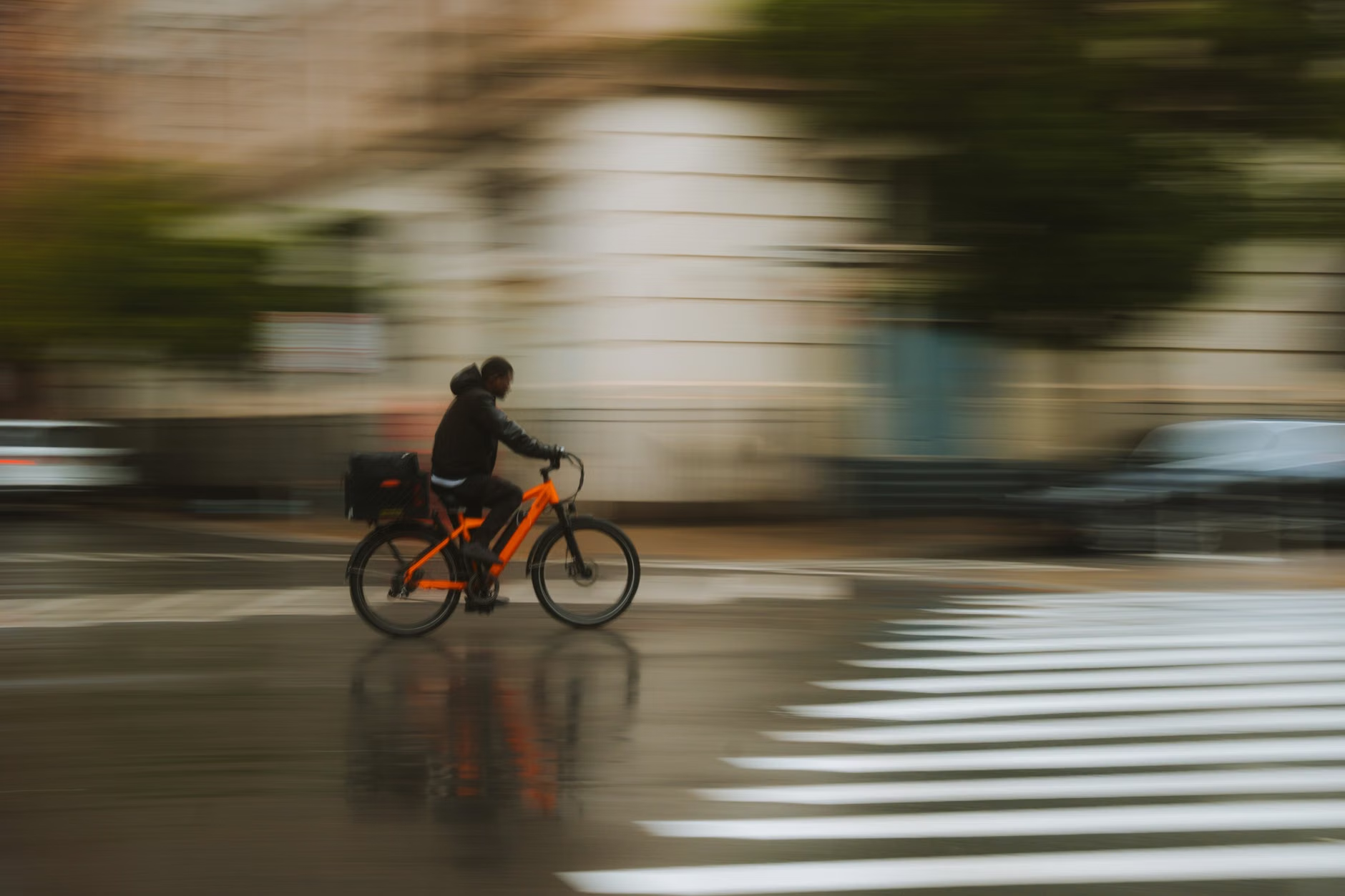
Rain does not automatically cancel a ride, but it changes the ride right away. Drivers may see less, road surfaces lose grip, and braking decisions require more patience. NHTSA advises cyclists to use visibility gear and lights when visibility is poor, and official bicycle guidance warns that wet pavement markings, metal covers, leaves, and puddles create extra hazards. (nhtsa.gov)
Treat rain as a visibility and traction problem first
Many riders think about comfort first, but staying perfectly dry is not the main safety goal. A better priority order is simpler: be seen, keep traction, and give yourself more room to stop. NHTSA recommends bright clothing, reflective gear, and lighting when visibility is poor, while PennDOT’s bicycle manual specifically warns that wet painted markings, manhole covers, oil slicks, leaves, and puddles deserve extra caution. (nhtsa.gov)
- A properly fitted helmet still belongs at the top of the list. Rain does not change its job, and the CDC notes that bicycle helmets reduce the risk of head and brain injuries in a crash. (cdc.gov)
- Use both front and rear lights, not just reflectors. NHTSA strongly encourages a white front light and red rear light or reflector in low-light conditions, including foul weather, dusk, and dawn. (nhtsa.gov)
- Choose an outer layer that blocks rain without turning into a sweaty, distracting shell. In traffic, a bright jacket is usually more useful than a dark waterproof layer that disappears against a gray street. NHTSA emphasizes bright and reflective visibility gear. (nhtsa.gov)
- Protect your hands and feet before worrying about matching kit. Cold, wet fingers can make braking and shifting clumsier, and wet shoes quickly drag down comfort. Full fenders are especially useful on commuter and utility bikes because they keep spray off the rider and the bike; PennDOT specifically notes that fenders help keep dirty water and mud from being thrown up onto you. (pa.gov)
- Keep hoods and collars from narrowing your field of view. PennDOT advises adjusting rain hoods so they do not block vision, which matters even more in traffic and at intersections. (pa.gov)
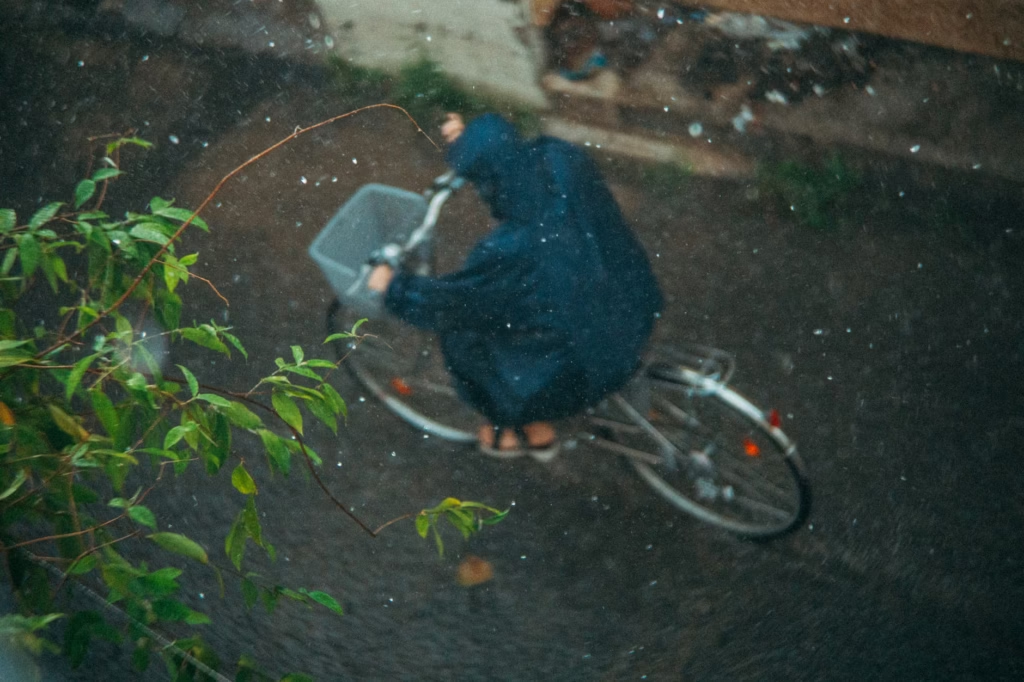
There is a real tradeoff here. The more weatherproof the outfit, the easier it is to overheat and get wet from the inside. For a short city ride, “dry enough to stay warm and attentive” is often a better target than dressing like a storm hiker. Functional comfort matters more than perfect dryness.
Use a quick pre-ride check instead of guessing
- Start with an ABC Spin Check: air, brakes, chain, then spin the wheels. NHTSA recommends this before each ride, and it matters even more before a wet one because small brake or tire issues become more obvious on slick roads. (nhtsa.gov)
- Turn on your lights before leaving, even in daytime rain. Rain lowers contrast, and front and rear lights help the bike register as traffic rather than background clutter. NHTSA specifically encourages front and rear lighting in foul weather and when visibility is poor. (nhtsa.gov)
- Lower your expectations for speed and choose a calmer route. NHTSA advises route planning and notes that a lower-traffic, lower-speed route may be safer than the most direct road. (nhtsa.gov)
- Scan ahead for the usual wet-surface trouble spots: painted lane markings, metal covers, grates, leaf piles, and puddles. If you cannot see the bottom of a puddle, treat it as a hazard rather than a shortcut. (pa.gov)
- Think about the post-ride minute too. If the chain comes home wet and gritty, dry it and relubricate it to limit rust and noisy wear. PennDOT recommends relubricating the chain after rainy rides. (pa.gov)
A simple example makes the point. A rider going three miles to work in light rain probably does not need heavy rain pants, overshoes, and expedition-grade layers. A helmet, front and rear lights, a bright shell, gloves, and fenders may do more for safety and comfort, especially if the route trades one fast arterial for a slightly longer neighborhood street. NHTSA’s route-planning advice supports that kind of choice. (nhtsa.gov)
On the road, brake earlier and keep the bike straighter
- Start slowing sooner than usual. Wet braking rewards patience, not last-second force. (pa.gov)
- Do most of your braking while the bike is upright. PennDOT warns against turning and braking on a slippery surface because a front-wheel skid can put you down quickly. (pa.gov)
- Cross slick features as straight as you reasonably can. Painted arrows, manhole covers, steel plates, and wet leaves are better handled with less lean and smoother steering input. (pa.gov)
- Leave more following distance and assume drivers may misjudge how well they can see you. NHTSA advises riding defensively and anticipating conflicts before they happen. (nhtsa.gov)
- If conditions shift from merely wet to hard to read, back off. Standing water, traffic spray, or a leaf-covered path can be a good reason to slow to walking pace or get off the bike for a short section.
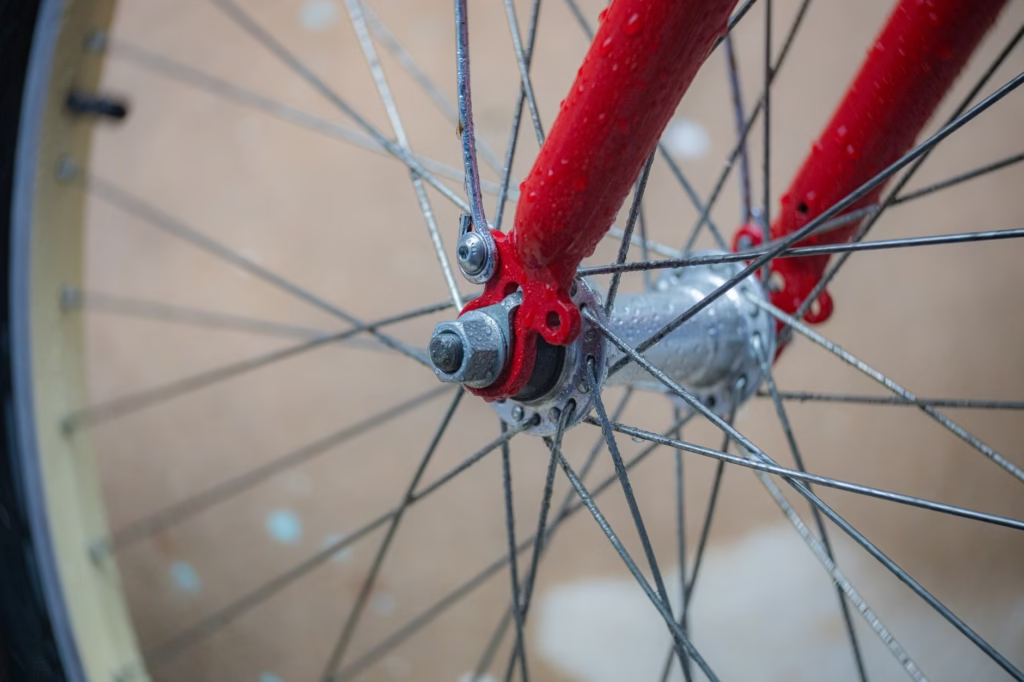
Rain riding is less about toughness than margin. Good lights, a reliable pre-ride check, visible clothing, and smoother braking decisions matter more than fancy waterproof gear. If the bike is working, the route is sensible, and the road surface is still readable, a wet ride can be manageable. When visibility or traction stops being readable, that is the signal to postpone the ride or walk part of it.
References
- NHTSA – Bicycle Safety: Bike Safety Tips for Kids and Adults – https://www.nhtsa.gov/road-safety/bicycle-safety
- NHTSA – Cycling Skills Clinic Guide – https://www.nhtsa.gov/document/cycling-skills-clinic-guide
- CDC – Bicycle Safety – https://www.cdc.gov/pedestrian-bike-safety/about/bicycle-safety.html
- PennDOT – Pennsylvania Bicycle Driver’s Manual – https://www.pa.gov/content/dam/copapwp-pagov/en/penndot/documents/public/pubsforms/publications/pub%20380.pdf
