

Bike commuting is easier to start than many beginners assume. Your first commute does not require a special wardrobe, clip-in pedals, or a dedicated commuter bike. What it does require is a route that feels manageable, a bike that fits and stops reliably, and a plan that lets you arrive without feeling rushed. When riding on the roadway, bicyclists are generally expected to follow traffic signs and signals and travel in the same direction as traffic. (nhtsa.gov)
The biggest beginner mistake is treating the first week like a fitness challenge. The better goal is repeatability. If the ride is calm enough to do again on Tuesday, in work clothes, with a bag, you are much more likely to keep doing it. Route choice matters more than speed at the beginning. (nhtsa.gov)
Table of Contents
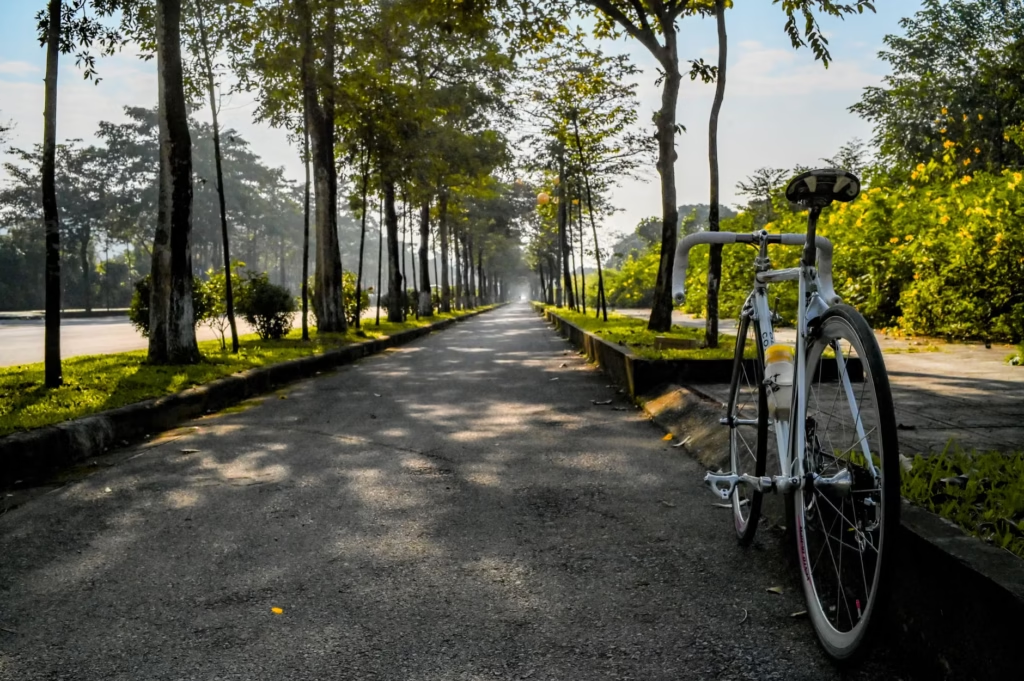
Build your first route around comfort, not the shortest line
NHTSA recommends choosing routes with less traffic and slower speeds, and notes that the safest route may be on a bike lane, bike path, or away from traffic altogether. The League of American Bicyclists makes a similar point: distance is only one factor. Traffic volume, road width and condition, terrain, and the number of awkward turns all affect how stressful a commute feels. A route that is slightly longer but calmer is often the better beginner route. (nhtsa.gov)
- Map the trip, then mark any left turns across busy traffic, fast multilane crossings, or narrow stretches next to parked cars. Those are often the places beginners dislike most. (bikeleague.org)
- Test the route once at a quiet time, such as a weekend morning. The League specifically recommends testing new routes on the weekend. (bikeleague.org)
- If one short section feels bad, reroute around that section instead of forcing it. A commute only has to be efficient enough; it does not have to be the shortest possible line. (nhtsa.gov)
- On your first real commute, leave early enough that you never have to sprint for a green light or make a rushed lane change. Predictable riding is safer than fast riding. (nhtsa.gov)
In a simple hypothetical example, a four-mile ride on neighborhood streets and a trail can be a better starter commute than a three-mile route on a fast arterial road. The extra few minutes are usually easier to absorb than repeated stressful intersections. (nhtsa.gov)
Set up the bike for transportation, not for a hobby
A beginner commuter bike does not have to be fancy. The useful minimum is much simpler: the bike should fit, the brakes should work, the tires should be in good shape, and the rider should be able to control the bike comfortably. NHTSA advises checking the bike before riding, including tire inflation and brakes, and recommends using a bike that fits. The League also notes that almost any bike can work for commuting if it is in good working order. (nhtsa.gov)
- A properly fitted helmet. NHTSA says it should sit level and low on the forehead, with the side straps forming a V under the ears. In the US, bicycle helmets sold must meet the federal CPSC standard and carry a compliance label. (nhtsa.gov)
- A white front light, plus a red rear light or at least a rear reflector if there is any chance of riding at night or in poor visibility. NHTSA recommends front and rear lighting and reflectors for those conditions. (nhtsa.gov)
- A simple way to carry what you need. A backpack is fine to start, and a rack or pannier can come later if the backpack becomes sweaty or awkward. NHTSA recommends carrying items in a backpack or strapped to the back of the bike. (nhtsa.gov)
- Clothing that will not get caught in the chain. Tuck laces and loose pant legs, and keep the first few rides easy enough to learn what work-clothes setup is realistic for your route. (nhtsa.gov)
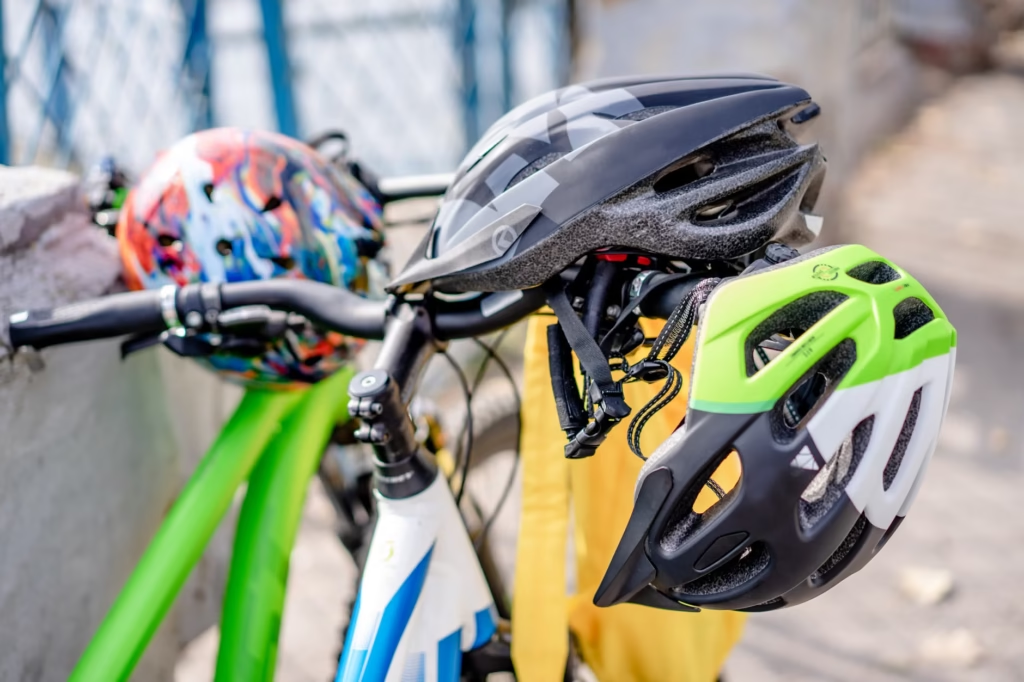
Many beginners overbuy before they know what their commute actually demands. Fenders, special bags, cycling shoes, and spare office clothes may be worth it later, but they are not the starting line. Ride a week or two first, then upgrade based on the real annoyance: back sweat, road spray, storage, darkness, or bike parking. (bikeleague.org)
Ride in a way that makes you easy to understand
New commuters often focus on bravery when they should focus on predictability. NHTSA advises riding in a straight line, single file, with traffic, and obeying traffic signs and signals. Signaling before turns or lane changes helps drivers and other riders understand what is about to happen. If sidewalk riding is part of your plan, check local rules first; NHTSA specifically notes that sidewalk riding may be restricted and can create conflicts at driveways and turns because drivers may not expect faster-moving traffic there. (nhtsa.gov)
Sidewalk riding is not legal everywhere, and bike rules can vary locally. Check your city and state rules before assuming a tactic is legal on your route. (nhtsa.gov)
If it has been a while since your last ride, practice first in a low-stress space before mixing with traffic. NHTSA recommends practicing in a safe area before heading onto the road. A quiet parking lot or residential block is enough to rehearse starts, smooth braking, shoulder checks, and one-handed signaling. That short practice session often does more for first-commute confidence than buying another piece of gear. (nhtsa.gov)
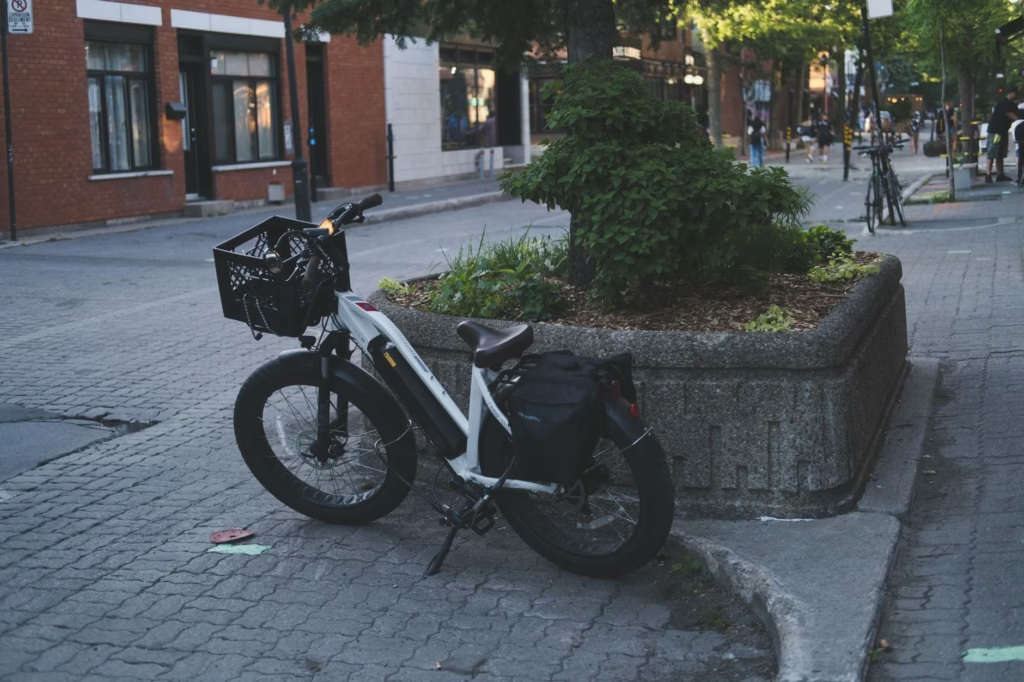
Start small, make the route easier than your ego wants, and let the bike commute become ordinary before trying to make it fast. A calm, repeatable ride is the real beginner milestone. Once that part is in place, the gear and mileage decisions get much easier. (nhtsa.gov)
References
- NHTSA – Bicycle Safety – https://www.nhtsa.gov/road-safety/bicycle-safety
- NHTSA – Learn to Bike Safely – https://www.nhtsa.gov/bicycle-safety/learn-bike-safely
- U.S. Consumer Product Safety Commission – Bicycle Helmets Business Guidance – https://www.cpsc.gov/Business–Manufacturing/Business-Education/Business-Guidance/Bicycle-Helmets
- League of American Bicyclists – Commuting – https://bikeleague.org/ridesmart/commuting/
