
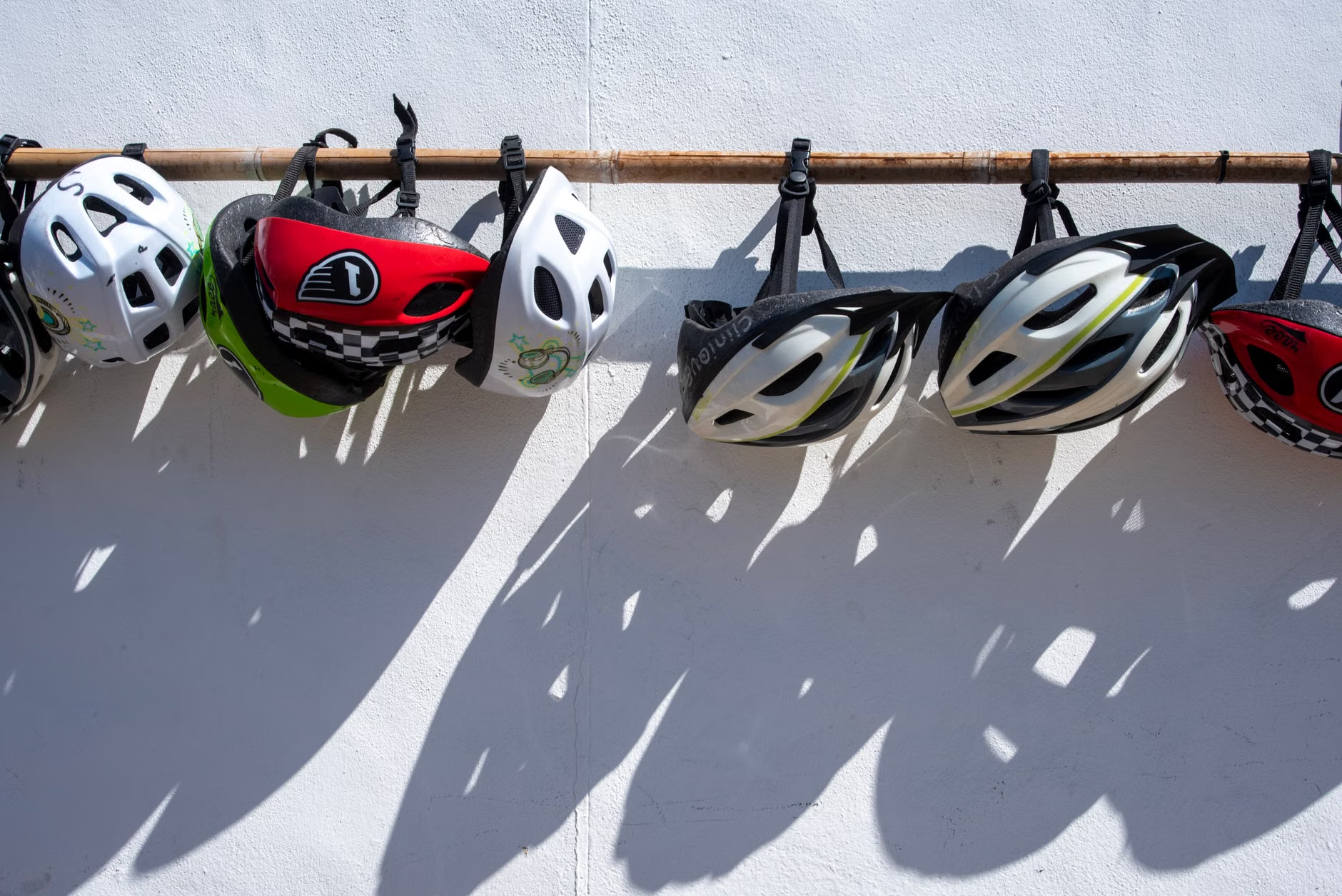
Replace your bike helmet if your helmeted head took an impact in a crash, even if the shell looks intact. Don’t wait for a crack, or a headache, to justify retiring it. For an uncrashed helmet, the decision is different: condition and the manufacturer’s replacement guidance matter, but there isn’t one scientifically established expiration date for every helmet.[1][2][4]
After an impact, appearance isn’t enough
EPS liners, like the ones used in most bike helmets, absorb impact energy by crushing. A damaged EPS liner may not be visibly deformed or lost. The CPSC even states that, “It is difficult for consumers to determine if a helmet has been damaged. Moreover, many damages may not be obvious. A helmet that has been in a crash should not be assumed to provide protection in another crash.”[1][2][3]
Imagine I’m beside my bike after a fall, already late for work, turning a barely scuffed helmet over in my hands. I’d resent replacing something that still looks usable. But if my helmeted head hit the pavement, I’d put it aside and arrange another way to work rather than let a tidy exterior settle the question.
In a 2021 study, 12 example helmets of a single model had their impact absorption properties tested, and changed, and judges were not reliably able to pick the helmets with changed EPS from their pre-tested state. This is a small study with one model, and certainly does not include all helmets. But, it doesn't give us any reason to think that a photograph can help settle a doubt on a helmet.[3]
What looking it over can tell you
You should always replace a helmet if there is any structural damage to the shell or a broken/crushed foam liner. A damaged/worn strap is also a reason to stop using the helmet. If there is damage to the structural liner, the helmet should be replaced. If comfort pads are worn out, they can be replaced, as long as the EPS is still in good shape. I'd rather replace a serviceable pad than throw away a helmet.[1][5]
It is important to note that an inspection can only tell you to replace a helmet if there is visible damage. If there is no visible damage, you can not tell how much impact protection is remaining.[2][3]
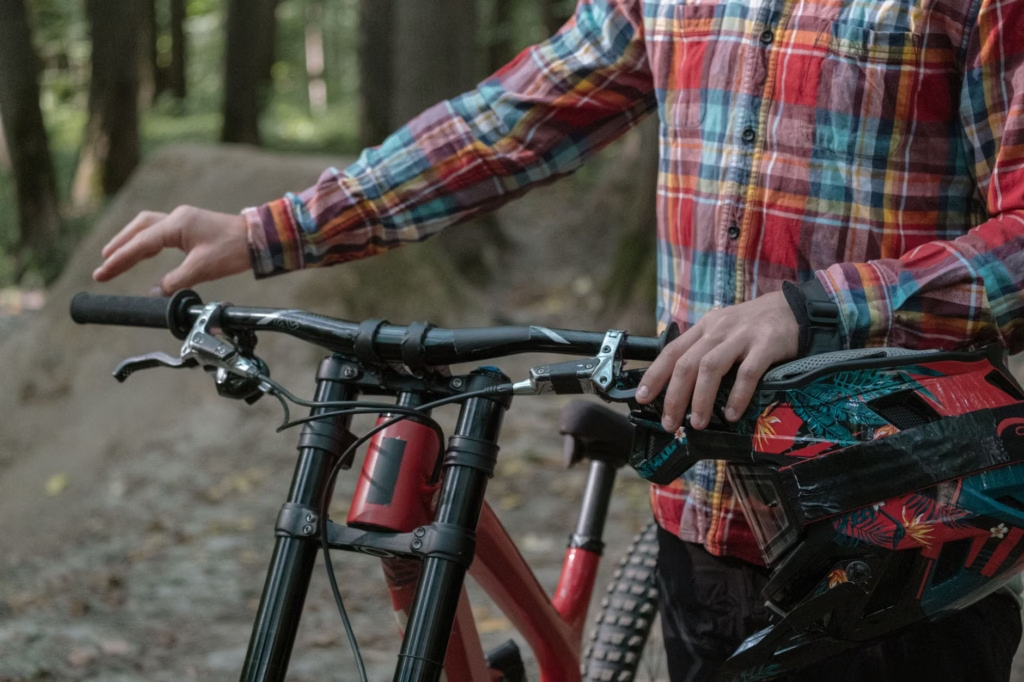
An empty helmet slipping off a chair is certainly not the same as a helmeted head striking the road. The evidence provided does not establish a household drop-height cutoff, below which reuse can be assumed. If a drop-height impact cracks the foam, then the helmet definitely needs to be replaced. If you have reason to suspect a significant impact, set it aside. It is best not to be fooled by a clean looking shell.[2][3][7]
Years of use aren’t the same as a crash
I would not retire an uncracked helmet due to the five-year expiration claim. I would check the exact model and replacement interval, and if the interval is reached, replace the helmet. It is best not to rely on the manufacture date to decide a helmet's expiration date.[1][5]
According to the CPSC, it is best to abide by the manufacturer's recommendation. If no recommendation exists, the CPSC suggests replacing the helmet 5-10 years after purchase, based on how the helmet was taken care of and stored. This also doesn't guarantee 10 years of safe use.[1]
Why not have a universal expiration date for all helmets? A 2017 study tested 770 helmets aged 0-26 years and found that helmets showed small to no age effects on linear impact attenuation. The study authors mentioned that they did not assess every age sensitive feature and did not cover all storage history. Additionally, they did not take into account the recent design liner foams. With that in mind, it allows you to have some level of doubt to foam expiration claims and not disregard the instructions and proclaim a 26 year old helmet fit for purpose.[4]
Unknown history and replacement costs
With a used helmet whose impact history you can't establish, I would choose a replacement with a known history. Neither the seller's pictures nor your own inspection can recover that information. While the history may reduce doubt, it does not guarantee protection.[2][3]
Check with your helmet manufacturer to see if they will contribute to the expense of a new helmet. Trek’s Quantum WaveCel FAQ, for example, gives three separate periods: replacement three years from purchase, a two-year defect warranty, and free crash replacement within the first ownership year under its US program. Each of those answer a different question.[5][6]
The age recommendation for a hypothetical January 2026 purchase comes due in January 2029. A September 2026 crash is within the first-year benefit. A July 2027 crash is not, despite the two year warranty being in effect. Riding a crashed helmet, without warranty or an unexpired age interval, is not allowed.[5][6]
Trek’s US Program requests a crashed helmet, original receipt, incident details, and your return address. If you don’t need to ship it, they suggest asking about the claim process before you destroy it. That’s worth the extra effort.[6]
If you need to replace your helmet, make sure to see our [bike helmet buying guide] (https://spokescycling.com/bike-helmet-buying-guide-fit-safety-features-common-mistakes-16/) to make sure you are getting the best and safest helmet for you. You don’t have to get a better or more feature helmet to retire your old helmet.
Sources and references
- US Consumer Product Safety Commission: Which Helmet for Which Activity?
- US Consumer Product Safety Commission: Bicycle Helmets FAQ
- International Biomechanics: Analysis of bicycle helmet damage visibility for concussion-threshold impacts (2021-12-17)
- Annals of Biomedical Engineering: Age has a Minimal Effect on the Impact Performance of Field-Used Bicycle Helmets
- Trek Bicycle: Trek Quantum WaveCel Mountain Bike Helmet FAQ
- Trek Bicycle: Bontrager Guarantee
- Bicycle Helmet Safety Institute: When Should I Replace My Bicycle Helmet