
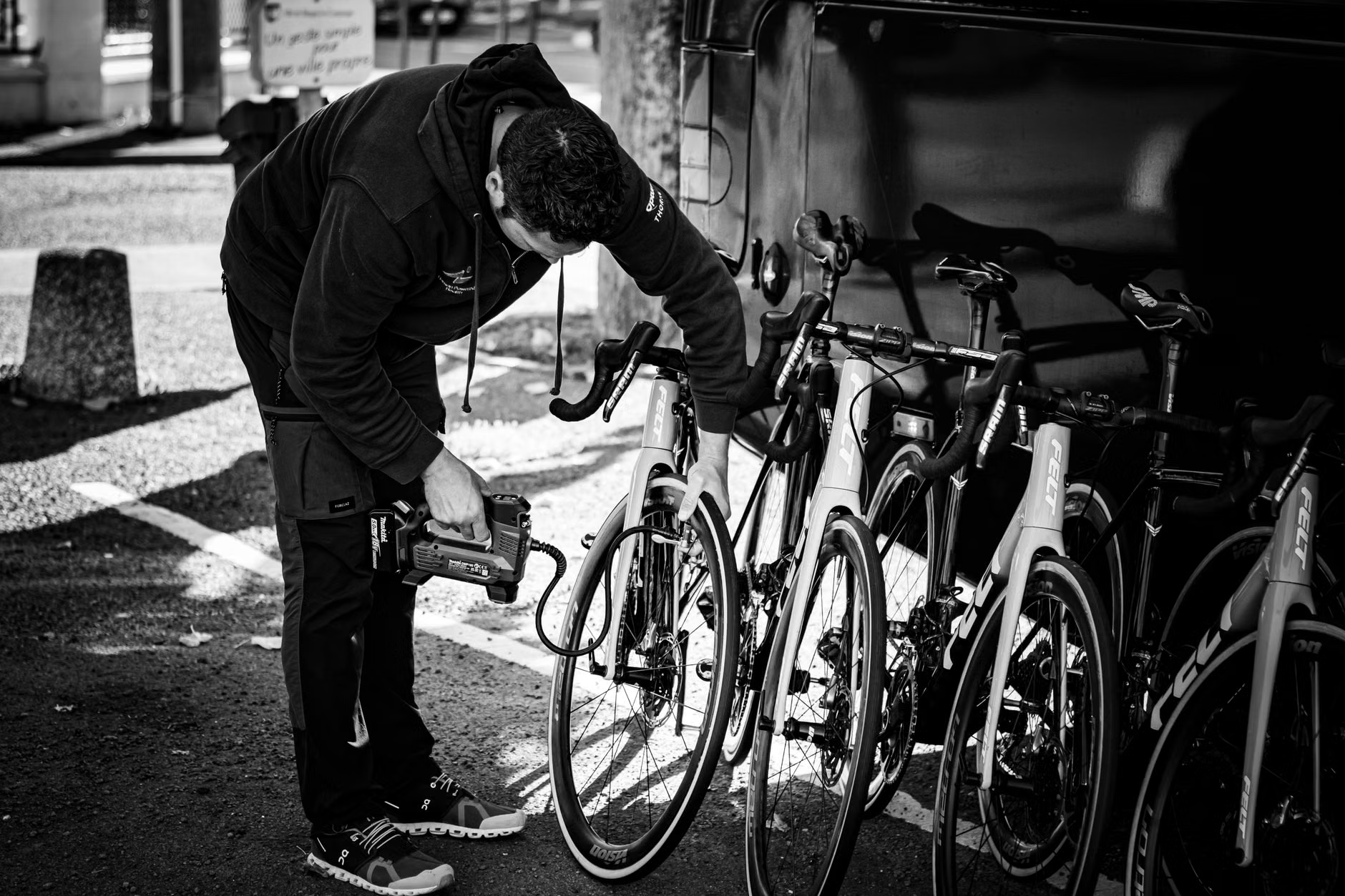
The most useful answer is not a single number. For most riders, a sensible default is to check the bike before every ride, clean and relube the chain whenever it looks dry or after wet rides, inspect the whole bike about once a month, and schedule a professional service at least once a year. If the bike is ridden regularly, twice-yearly shop tune-ups are a stronger baseline. (media.trekbikes.com)
Use riding conditions, not just the calendar
Calendar reminders help, but bikes wear according to use and conditions. Trek’s owner’s manual says its maintenance schedules are based on normal use and should be done more often if you ride more than the stated time. REI likewise notes that bikes ridden hard or in wet, muddy conditions need cleaning and lubrication more frequently. (media.trekbikes.com)
That is why a dry-weather path bike can often stay close to a simple calendar routine, while a daily commuter or trail bike may need attention much sooner. New bikes are their own exception: Trek advises a full check about two months after purchase because cables can stretch with initial use and affect braking or shifting. (media.trekbikes.com)
A service schedule most riders can actually keep up with
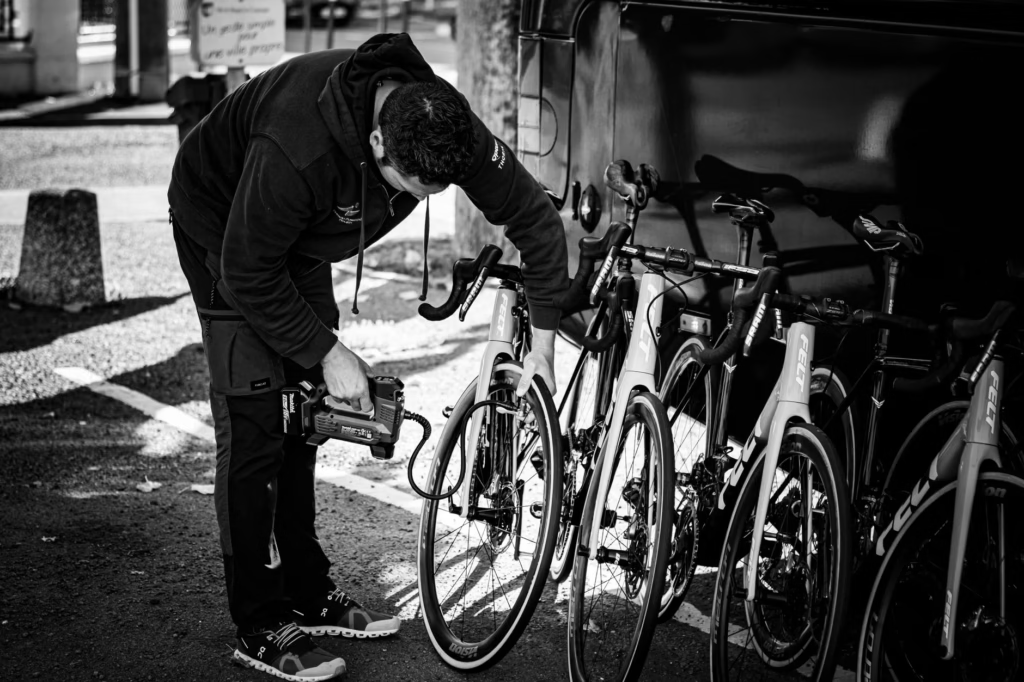
The easiest way to think about maintenance is in layers. Safety checks happen every ride. Wear items get attention every week or month. Deeper adjustments and inspections happen on a shop interval. (rei.com)
- Before every ride: Do an ABC check for air, brakes, and chain. Also confirm quick-release levers or thru-axles are secure, glance at the tires for cuts or excessive wear, and make sure nothing obvious feels loose. This is the fastest way to catch problems before they become safety hazards. (rei.com)
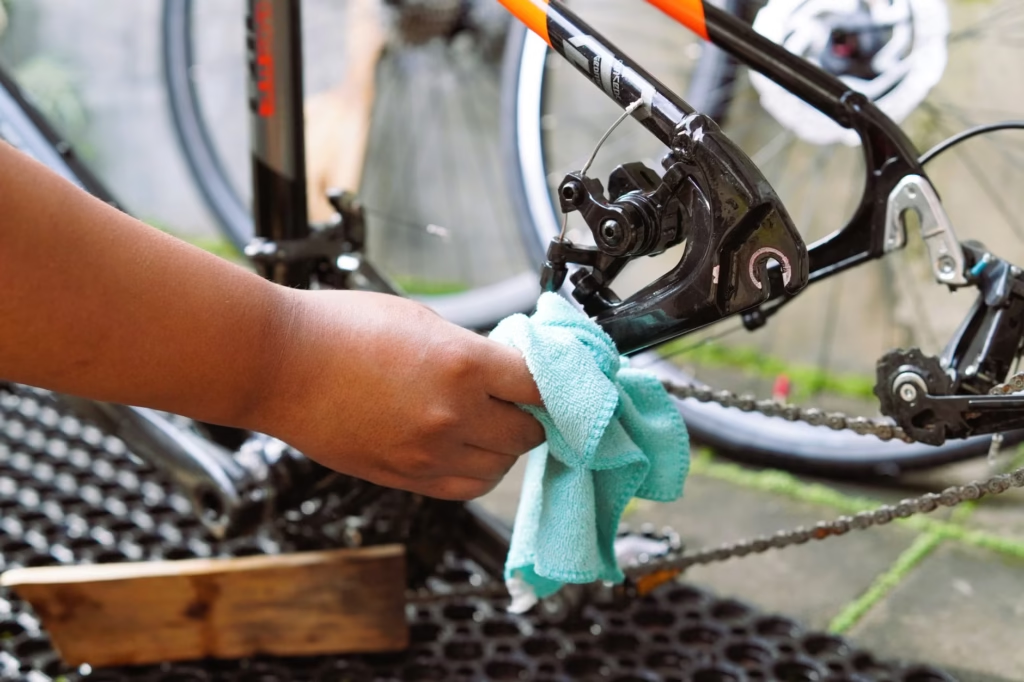
- About once a week, or immediately after wet and dirty rides: Wipe down the chain, relube it if it squeaks or looks dry, and wipe off excess lube so it does not collect grit. REI’s guidance is clear that the drivetrain needs the most frequent attention, and lubing after wet rides helps prevent rust. (rei.com)
- About once a month: Give the bike a fuller inspection. Spin the wheels and look for noticeable wobble, shift through the gears, check that the cranks are tight, and hold the front brake while rocking the bike to feel for headset play. If you ride often, this is also a good time to measure chain wear with a chain-check tool instead of waiting for skipping under load. (rei.com)
- Roughly every six months for regular riders: Book a proper tune-up. REI recommends twice-yearly service for riders who ride regularly so that harder-to-judge parts such as spokes, bearing surfaces, derailleurs, and cables can be inspected and adjusted by an experienced mechanic. (rei.com)
- At least once a year, even for lighter use: Schedule a full service. Trek also advises an earlier shakedown visit about two months after buying a new bike. A bike that sits most of the year still ages, dries out, and drifts out of adjustment, so “I hardly rode it” is not the same as “it needs nothing.” (media.trekbikes.com)
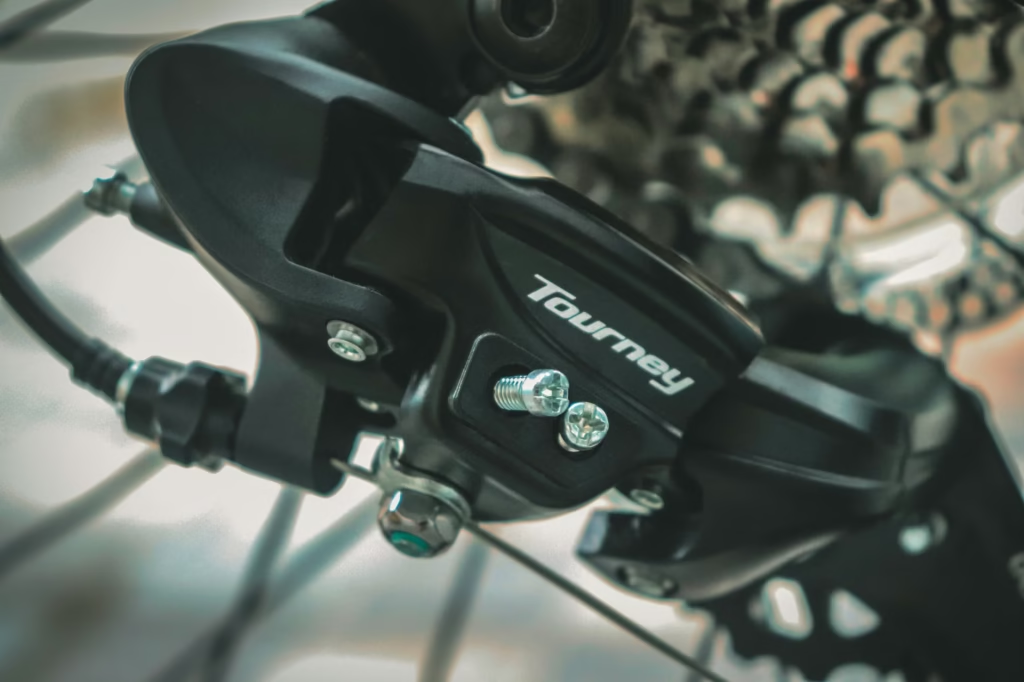
If you do your own maintenance, stop short of guesswork. Trek says a torque wrench is the only reliable way to verify fastener tightness. If you cannot check a critical bolt to spec, that is shop work. (media.trekbikes.com)
When to move service forward instead of waiting
A maintenance schedule is a starting point, not permission to ignore symptoms. Move service forward if the bike gets noisy, the brakes stop feeling consistent, shifting starts to hesitate or skip, the chain develops rusty or tight links, a wheel begins to wobble, or the front end or cranks feel loose. REI explicitly warns not to ride a bike with a cracked frame, loose headset, or loose crank. (rei.com)
- Pick a base schedule first: annual service for light use, or roughly every six months if the bike is ridden regularly. (media.trekbikes.com)
- Set repeating reminders for the small jobs: a pre-ride ABC check every ride, chain care weekly or after wet rides, and a fuller inspection once a month. (rei.com)
- Shorten those intervals if the bike sees a lot of rain, mud, or hard use. Bikes ridden in harsher conditions simply need more frequent cleaning and attention. (rei.com)
- Treat new looseness, visible damage, or strange noises as immediate service triggers, not notes for later. (rei.com)
If you want one simple rule to remember, use this: check the bike every ride, clean and lube the chain early rather than late, inspect the whole bike monthly, and plan on at least one yearly service, or two if the bike is used regularly. The right schedule is the one that matches how the bike is actually ridden, not the date on the last tune-up sticker. (media.trekbikes.com)
References
- Trek Bicycle Owner’s Manual (PDF) – https://media.trekbikes.com/image/upload/TK_OwnersManual_EN_WEB_April2023.pdf
- REI Expert Advice: Bike Maintenance Basics – https://www.rei.com/learn/expert-advice/bike-maintenance.html?related-style-id=204939
- REI Expert Advice: Pre-Ride Bike Inspection Checklist – https://www.rei.com/learn/expert-advice/pre-ride-inspection.html
- REI Expert Advice: Bike Chain Cleaning and Maintenance – https://www.rei.com/learn/expert-advice/bike-chain.html?series=intro-to-bike-maintenance
