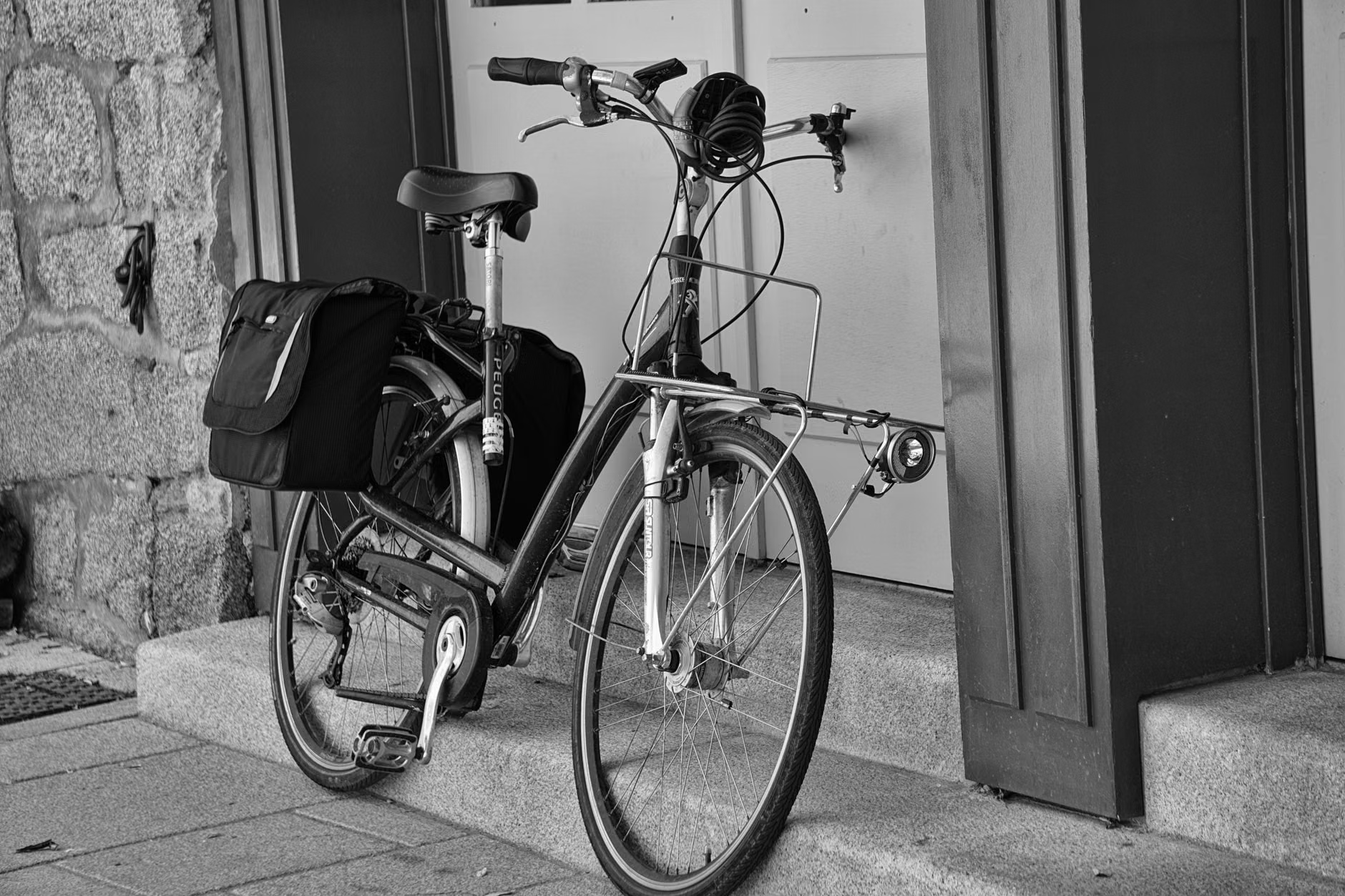
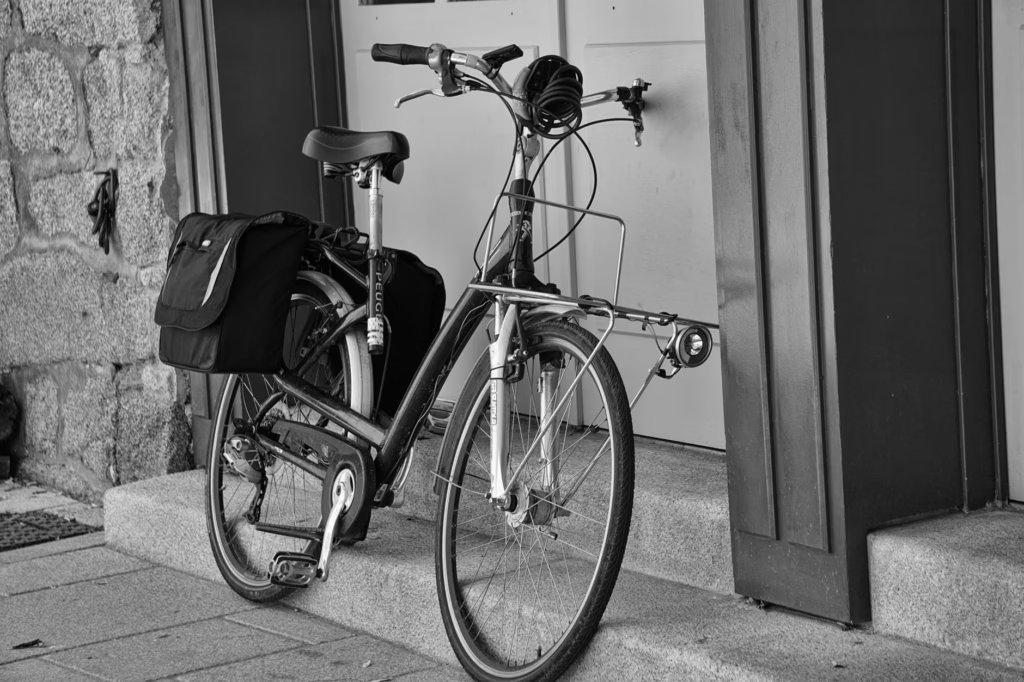
Good bike accessories do one of three jobs: help prevent a crash, keep a minor mechanical issue from ending the ride, or make the bike practical enough that it gets ridden more often. That is why the essentials are not flashy electronics or marginal upgrades. They are the small, dependable pieces of gear that solve predictable problems. Not every one of these needs to be mounted on every single ride, but every cyclist should own them and know when to use them.
Own these before you spend money on upgrades
- Helmet. Start here. In the US, bicycle helmets sold for cycling are required to meet the CPSC standard, and fit matters as much as the sticker. A helmet that sits too high or shifts around is not doing its full job. (cpsc.gov)
- Front light. A front light is not only for full darkness. It also helps in tunnels, heavy shade, rain, and late-day traffic. NHTSA recommends a white front light when riding at night or when visibility is poor. (nhtsa.gov)
- Rear light. Rear visibility is easy to underestimate, especially on roads with parked cars, rolling hills, or mixed traffic. NHTSA recommends a red rear light and reflectors for riding at night or in poor visibility. (nhtsa.gov)
- Lock. If the bike is ever going to be left outside a coffee shop, office, grocery store, or train station, a real lock belongs in the kit. Match the lock to the parking risk: heavier for urban parking, lighter for quick, low-risk stops.
- Water bottle and cage. Hydration sounds obvious until the first ride that runs longer, hotter, or hillier than planned. A bottle that is easy to grab while moving is far more useful than planning to stop every time you need a drink.
- Mini pump or CO2 inflator. REI recommends carrying a pump or CO2 inflator as part of a flat-repair kit. A mini pump is slower but reusable; CO2 is faster, but only if you have enough cartridges and know how to use them. (rei.com)
- Spare tube. A spare tube is still the fastest answer to many roadside flats. Even riders who prefer to patch at home usually save time on the road by swapping in a fresh tube first. (rei.com)
- Tire levers. These are tiny, cheap, and often the difference between a quick repair and a frustrating wrestling match with a tight tire bead. REI lists tire levers as a standard carry item for flat repair. (rei.com)
- Patch kit. A patch kit takes up almost no space and gives you a backup if the spare tube gets pinched, the first repair fails, or the ride is longer than expected. It is the kind of accessory that seems optional until the day it is not. (rei.com)
- Multi-tool. A compact bike multi-tool handles the small adjustments that matter most on the road: a slipping seatpost, loose bottle cage, rotated bars, or minor cockpit tweaks. REI includes a multi-tool in its basic carry list for flat repair and roadside fixes. (rei.com)
The accessories that make the bike easier to live with
- Saddle bag or tool roll. This is less about performance than consistency. When the repair kit lives on the bike, it is much less likely to get forgotten on the one ride where it matters.
- Bell. On shared paths, neighborhood greenways, and crowded mixed-use spaces, a bell is a simple courtesy tool. It gives a clear signal without forcing a rider to shout or take attention away from the line ahead.
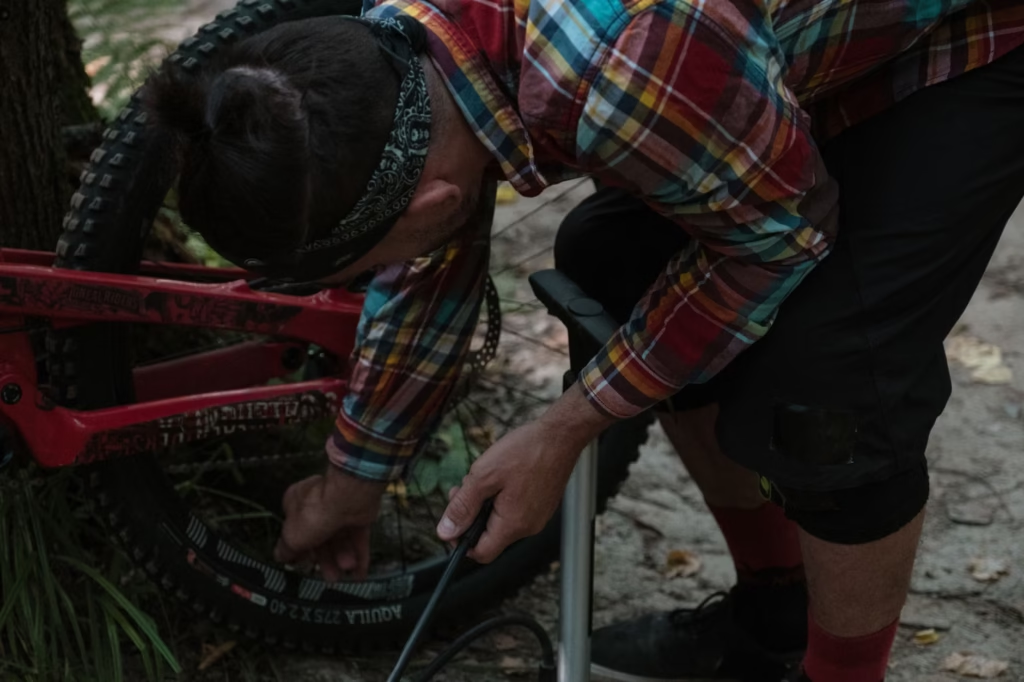
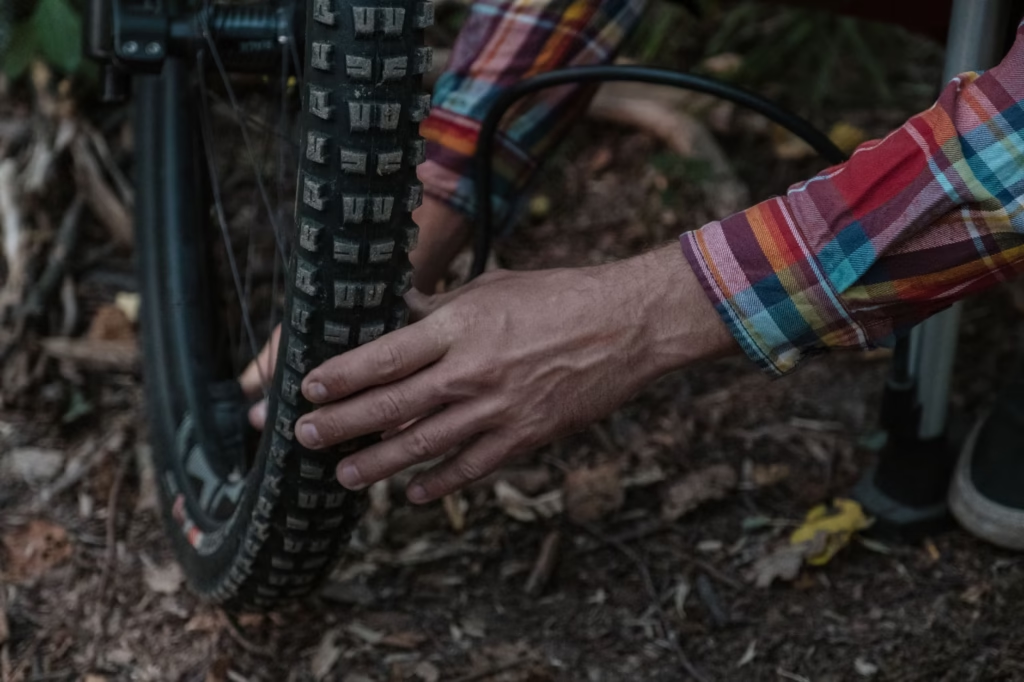
- Floor pump with gauge. A mini pump gets you home; a floor pump gets the tire pressure right. REI’s maintenance guidance recommends checking tire pressure and notes that the recommended PSI is printed on the tire sidewall. A good floor pump makes that quick and repeatable. (rei.com)
- Chain lube. A neglected chain becomes noisy, wears faster, and shifts worse. REI’s maintenance guidance recommends bicycle-specific lube on a clean chain and wiping away excess so it does not attract dirt. (rei.com)
- Cycling glasses. Bugs, grit, cold wind, road spray, and low winter sun can all make a ride harder than it needs to be. Clear or lightly tinted lenses are often more useful than dark, race-style lenses for everyday riding.
There are good accessories that did not make this list, including fenders, gloves, racks, computers, and phone mounts. Some of those become essential for specific riding styles. But the 15 above cover the widest range of real-world needs for most road, hybrid, fitness, and commuter riders.
If you are starting from scratch, buy them in this order
- Start with the safety baseline: helmet, front light, and rear light. That covers basic protection and visibility first. (nhtsa.gov)
- Next, build a flat-fix bundle: spare tube, tire levers, mini pump or CO2 inflator, patch kit, and multi-tool. Those five items solve the most common ride-ending mechanical problem. (rei.com)
- Then buy for your riding pattern. If the bike gets parked in public, move the lock up the list. If the routes are mostly shared paths, move the bell up. If the rides are longer than an hour, the bottle and cage stop being optional.
- Finish with the home basics: floor pump, chain lube, and a simple storage method for the repair kit. These are not glamorous purchases, but they reduce hassle and make the bike feel ready to ride instead of half-prepared. (rei.com)
A bike becomes much more useful when small problems stop turning into excuses not to ride. If the budget is limited, do not chase upgrades first. Buy the accessories that keep the ride safe, keep the tires full, and keep you from walking home.
References
- NHTSA: Bicycle Safety – https://www.nhtsa.gov/road-safety/bicycle-safety
- U.S. Consumer Product Safety Commission: CPSC Urges Bicyclists to Wear Helmets – https://www.cpsc.gov/s3fs-public/5002_0.pdf
- REI Expert Advice: How to Fix a Flat Bike Tire – https://www.rei.com/learn/expert-advice/flat-tire.html
- REI Expert Advice: Bike Maintenance Basics – https://www.rei.com/learn/expert-advice/bike-maintenance.html?msockid=3f65af85cfb16587191ab9e2ce4164df
